

Can't decide between a warming chai latte and an invigorating coffee on chilly days? You don't have to. The dirty chai combines the best of both worlds: the complex aroma of warming spices and the depth of a delicious specialty coffee.
What is a dirty chai?
A dirty chai is a chai tea with espresso. Exact details on the ratio of coffee to milk vary from country to country. We use a glass with a total volume of 250 ml and 20 ml of espresso.
What you need for a perfect dirty chai
The quality of the drink depends entirely on the ingredients. A harmonious dirty chai needs spices that leave room for the espresso while perfectly complementing it.
- A latte glass (approx. 250 ml capacity)
- A precision scale
- 20–25 g Black Sense Chai Syrup
- 1 single espresso as a base (you can find out how to make it in our espresso guide)
- Approx. 200 ml milk or a plant-based alternative (we recommend a creamy oat milk)
Step-by-step: How to prepare your dirty chai
Preparation is easy as long as you follow the right order. This ensures that all the flavors combine optimally.
Step 1: Add the chai to the glass

At the Günter Coffee Store, we use large chai syrup bottles with hand pumps.
First, add 20 to 25 grams of Black Sense Chai Syrup to your latte glass. This syrup provides just the right concentration of natural spice aromas without tasting artificial.
Step 2: Add the espresso
Now pull a single espresso directly into the glass on top of the syrup. Immediately take a small spoon and stir both together well. The heat of the coffee perfectly dissolves the syrup, and the sweet and spicy chai notes blend with the roasted aromas of the bean.

Chai syrup and espresso mixed in the glass. Now it's time to froth the milk.
Step 3: Froth and pour the milk
Froth your milk or plant-based alternative to a fine, creamy texture—similar to how you would for a classic latte macchiato or flat white. Quickly pour the frothed milk (approx. 200 ml) over the espresso-syrup mixture until the glass is full.

Top off the glass with frothed milk. If you're feeling fancy, add some latte art.
Our expert tip: For the espresso, it's best to use a bean that naturally has chocolatey or nutty nuances. These harmonize particularly well with the chai spices, such as cinnamon, cardamom, and cloves, and accentuate the natural character of the drink.

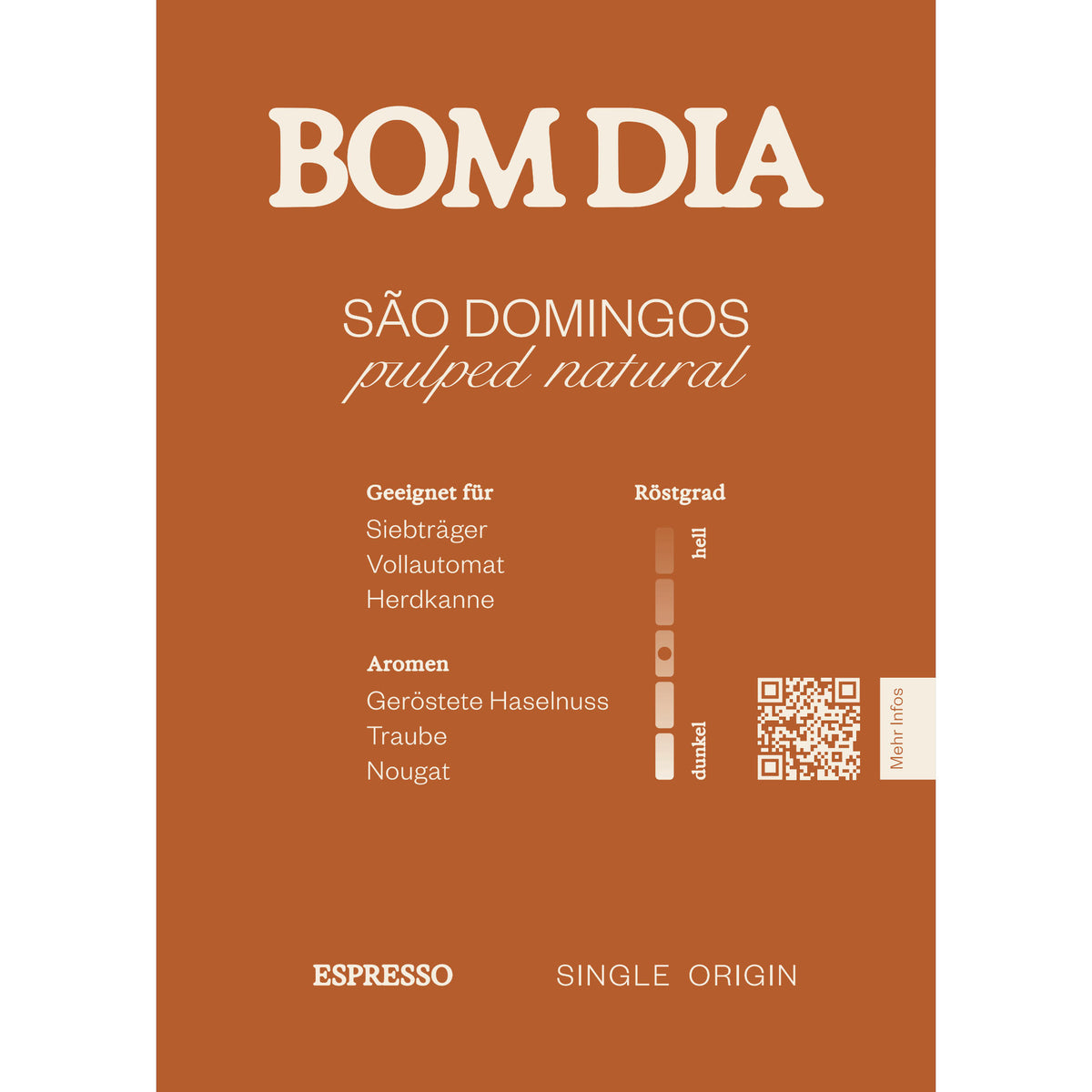
We taste Grape, Nougat und Roasted Hazelnut. What do you taste?
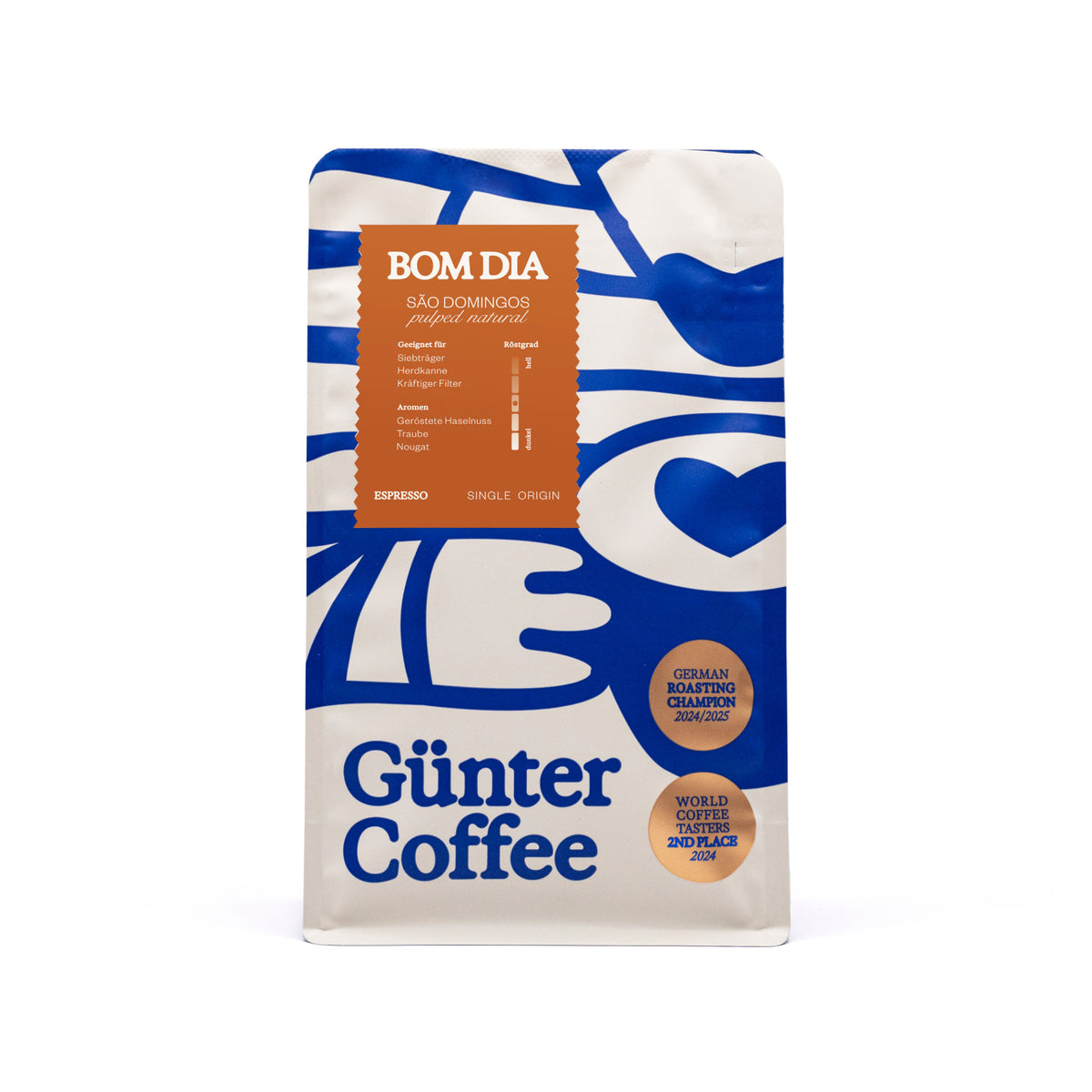
Try our BOM DIA Espresso.


A happy accident: The story of the dirty chai
The roots of this drink lie in traditional Indian masala chai, a strong black tea prepared with spices such as cardamom, cinnamon, and ginger, along with plenty of milk. However, we owe the addition of espresso to this warming drink to a little mishap.
Rumor has it that the first dirty chai was created in England in the 1990s. A barista supposedly accidentally poured a shot of espresso into an American traveler's chai latte. The traveler tried the unintentional experiment—and loved it. Since then, the drink has made its way around the world. The "dirty" chai owes its slightly provocative name simply to its appearance: the dark espresso gives the light, creamy chai milk a brownish, "dirty" color.
We want to hear from you!
A dirty chai is a real feel-good drink that tastes slightly different every time depending on the choice of milk and espresso bean. What is your absolute favorite dirty chai combination—classic with cow's milk, or do you prefer oat, coconut, or another milk alternative? Tell us in the comments!